How to Avoid Adulterated Cooking Oil: Simple Home Checks for Indian Consumers


Introduction – Why Cooking Oil Purity Matters in Every Indian Kitchen
In Indian homes, cooking is not just a daily routine—it is an emotion connected with family health and tradition. From morning poha to evening sabzi and rotis, cooking oil is used in almost every dish. This makes the quality of Cooking Oil in India extremely important. When we unknowingly use adulterated oil, we are not just compromising taste but also risking long-term health.
Today, many people are actively searching for India's Best Cooking Oil because awareness about food adulteration has increased. Whether you want to buy cooking oil online or from a local store, understanding purity has become essential.
The Role of Cooking Oil in Daily Health
Cooking oil is not just a medium for frying—it plays a crucial role in absorbing fat-soluble vitamins like A, D, E, and K. Healthy oils such as cold pressed groundnut oil, cold pressed mustard oil, and Cold Pressed Flaxseed Oil provide essential fatty acids like Omega 3 Oil and Omega 3 Rich Oil, which are important for heart health, brain function, and hormonal balance.
For example, flaxseed oil (alsi ka tel) is widely known for its flaxseed omega 3 fatty acids, making it a powerful plant-based Vegan Omega 3 source. Similarly, mustard oil supports digestion and boosts immunity, while groundnut oil offers stability during high-temperature cooking.
Rising Concerns About Adulterated Cooking Oil in India
With increasing demand, many low-cost and low-quality oils are being mixed with premium oils. This adulteration often goes unnoticed because the oil looks similar in color and texture. Unfortunately, such adulterated cooking oil may contain harmful chemicals, artificial colors, or reused oil.
Reports and food safety studies in India have shown that adulteration is common in oils like sarso tel, til oil, and even groundnut oil pure variants.
Read More: How to Detect Adulterated Cooking Oil
Why Consumers Are Searching for Pure Oil and Healthy Oil Options
In recent years, there has been a noticeable shift in consumer behavior across India. People are no longer choosing cooking oil based only on price or brand familiarity—they are now prioritizing health, purity, and nutritional value. This transformation is driven by increased awareness of lifestyle diseases such as heart problems, obesity, and hormonal imbalances.
Modern consumers understand that the quality of cooking oil directly affects long-term health. As a result, there is growing demand for cold pressed oil, wood pressed oil, and organic cooking oil, which are known for being minimally processed and free from harmful chemicals. Unlike refined oils, these oils retain natural antioxidants, vitamins, and essential fatty acids.
Another major reason behind this shift is the rising interest in plant-based nutrition. Oils like Cold Pressed Flaxseed Oil (Alsi Ka Tel) are becoming popular because they are rich in Omega 3 fatty acids, making them a powerful Vegan Omega 3 alternative to fish oil. Similarly, sesame oil (til oil) and groundnut oil are gaining popularity as healthier alternatives to highly processed refined oils.
Consumers are also looking for olive oil alternatives that are more suitable for Indian cooking styles. Since olive oil is not always ideal for high-heat cooking, oils like cold pressed mustard oil and groundnut oil are preferred because they offer both nutritional benefits and cooking stability.
What is Adulterated Cooking Oil?
Definition of Adulterated Cooking Oil
Adulterated cooking oil refers to pure oil that has been intentionally mixed with cheaper, inferior, or harmful substances to increase volume and maximize profit. This practice is unfortunately common in the edible oil market and often goes unnoticed by consumers due to the similar appearance of oils.
Adulteration not only reduces the nutritional value of oil but also introduces toxic elements that can harm the body over time.
Common Types of Oil Adulteration in India
Mixing with Cheap Oils
One of the most widespread methods of adulteration is mixing high-quality oils like cold pressed mustard oil or groundnut Cold Pressed Oil with low-cost oils such as palm olein. In some extreme cases, non-edible mineral oil is also added. These mixtures are difficult to detect visually but significantly reduce the health benefits of the oil.
Use of Argemone Oil and Toxic Substances
Argemone oil is one of the most dangerous adulterants. It closely resembles mustard oil in color but contains toxic compounds that can lead to a serious condition known as epidemic dropsy, causing swelling, heart complications, and even death in severe cases.
Reused and Recycled Frying Oil
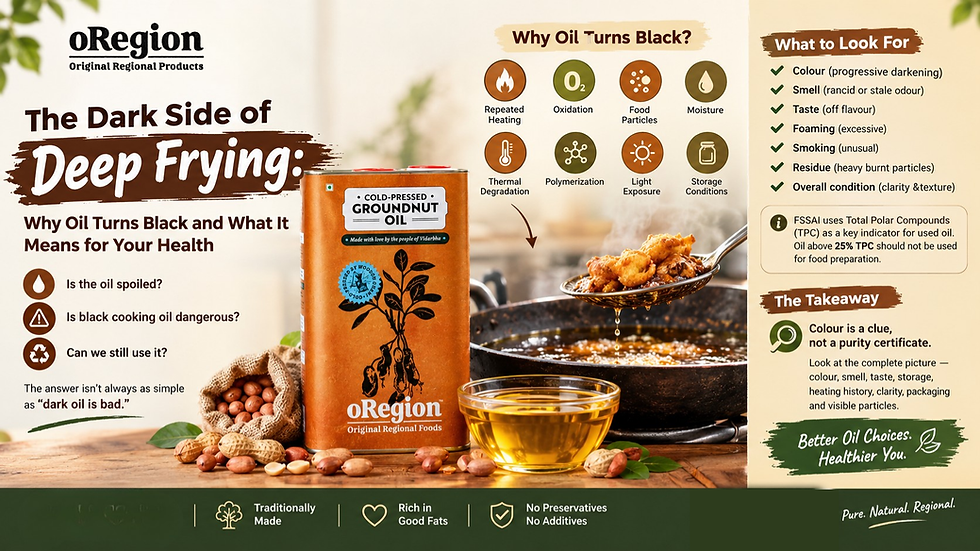
Another alarming practice is the reuse of cooking oil from restaurants and food vendors. This oil is filtered and resold in the market. Repeated heating of oil leads to the formation of free radicals, aldehydes, and trans fats, all of which are harmful to human health.
Artificial Colors in Mustard and Sesame Oil
To mimic the rich color of kacchi ghani mustard oil or Cold Pressed Sesame Oil, artificial dyes are often added. While the oil may look pure, these chemicals can have long-term toxic effects when consumed regularly.
Health Risks of Using Adulterated Oil
Heart Disease and Trans Fats
Adulterated oils often contain high levels of trans fats, which are known to increase bad cholesterol (LDL) and decrease good cholesterol (HDL). This imbalance significantly raises the risk of heart disease, stroke, and hypertension.
Liver Damage and Toxic Effects
Continuous consumption of contaminated oil can lead to the accumulation of toxins in the liver. Over time, this may cause liver inflammation, reduced detoxification capacity, and metabolic disorders.
Impact on Immunity and Digestion
Low-quality oil disrupts gut health and weakens the immune system. It can lead to digestive issues such as bloating, acidity, and poor nutrient absorption, making the body more vulnerable to infections.
How to Detect Adulterated Cooking Oil at Home
Refrigerator Test
When pure cold pressed oil is kept in the refrigerator, it tends to solidify evenly due to its natural fatty acid composition. If the oil separates into layers or remains partially liquid, it may indicate adulteration with other oils.
Aroma Test
Each oil has a distinct natural aroma. For example, sarso tel has a pungent smell, while til ka tel has a nutty fragrance. If the oil smells dull, artificial, or odorless, it may have been refined excessively or adulterated.
Butter Test for Chemical Adulteration
Heating oil with butter can reveal chemical impurities. If unusual foaming or discoloration occurs, it suggests the presence of contaminants.
Transparency and Sediment Test
Pure oil should appear clear and consistent. Sediments or cloudiness may indicate impurities or poor filtration.
Rub Test for Purity Check
When rubbed between fingers, pure wood pressed oil feels light and absorbs easily into the skin. Adulterated oil may feel greasy, sticky, or leave an artificial residue.
What is Cold Pressed Oil?
Cold Pressed Oil Means and Process
Cold-pressed oil is oil extracted withoutheat or chemicals, typically using traditional pressing techniques. This method ensures that the oil retains its natural nutrients, flavor, and aroma.
Examples include cold pressed flaxseed oil, Cold Pressed Mustard Oil, and cold pressed groundnut oil.
Difference Between Cold Pressed Oil and Refined Oil
Refined oils are processed using high heat and chemical solvents like hexane. This process removes impurities but also strips away essential nutrients. In contrast, cold pressed oil is unrefined and retains beneficial compounds such as antioxidants and healthy fats.
Wood Pressed Oil vs Cold Pressed Oil
Traditional Extraction vs Modern Refining
Wood pressed oil (chekku oil) is extracted using a wooden churner, which rotates slowly and generates minimal heat. This traditional method is considered superior in preserving nutrients compared to industrial cold pressing.
Nutrient Retention and Chemical-Free Processing
Both wood pressed and cold pressed oils are free from chemicals, but wood pressed oil often retains slightly more nutrients due to lower processing temperatures.
Cold Pressed Oil Benefits for Health
Rich in Vitamin E and Antioxidants
Cold pressed oils are packed with antioxidants that help fight oxidative stress, reduce aging, and improve skin health.
Supports Heart Health and Digestion
Healthy fats like flaxseed omega 3 fatty acids help maintain cholesterol balance and improve digestion.
Free from Trans Fats and Chemicals
Since these oils are not exposed to high heat or chemicals, they are free from harmful trans fats and toxins.
Cold Pressed Oil vs Refined Oil – Which is Better?
Cold pressed oil is clearly the healthier option because it maintains its natural structure and nutritional integrity. Refined oil, although visually appealing, lacks essential nutrients and may contain chemical residues.
Regular consumption of cold pressed oil supports better metabolism, improved heart health, and stronger immunity.
Best Healthy Oils for Indian Cooking
Mustard Oil – Traditional North Indian Choice
Mustard oil is deeply rooted in Indian culinary traditions. Cold pressed mustard oil benefits include improved digestion, antibacterial properties, and enhanced flavor. It is ideal for frying, pickles, and traditional dishes.
Groundnut Oil – Best for Frying and Daily Cooking
Groundnut oil is highly stable at high temperatures, making it perfect for frying. The advantages of groundnut oil include a high smoke point, neutral taste, and heart-friendly fats.
Sesame Oil (Til Oil) – Ayurvedic and Nutrient-Rich Oil
Sesame oil is widely used in Ayurveda for its healing properties. It improves skin health, supports detoxification, and is commonly used for massage and hair care.
Flaxseed Oil (Alsi Ka Tel) – Vegan Omega 3 Source
Flaxseed oil is one of the richest plant-based sources of Omega 3 fatty acids. It supports heart health, reduces inflammation, and is especially beneficial for women.
How to Use Flaxseed Oil (Daily Routine)
Consume 1 teaspoon daily or add it to salads and smoothies.
Flaxseed Oil Usage Do’s and Don’ts
Always use it raw; avoid heating.
Why Flaxseed Oil Should Not Be Heated
Heat destroys its Omega 3 content, making it less effective.
Smoke Point Explained – Safe Cooking Temperature Guide
The smoke point determines how suitable an oil is for cooking. Oils like groundnut oil and mustard oil are ideal for high heat, while flaxseed oil and sesame oil should be used for low heat or raw consumption.
Reheating oil should be avoided because it generates harmful trans fats and toxic compounds.
Why India is Shifting Towards Cold Pressed Oils
The shift towards cold pressed oil is driven by growing awareness of health risks associated with refined oils. Consumers are now prioritizing purity, nutrition, and traditional extraction methods.
Storage Tips to Maintain Oil Purity and Freshness
Proper storage is essential to maintain oil quality. Oils should be stored in airtight glass containers, away from sunlight and heat. Exposure to light and air can cause oxidation, reducing nutritional value.
Government-Recommended DART Tests for Oil Purity
DART (Detect Adulteration with Rapid Test) is a simple method recommended for identifying adulteration. Tests like the nitric acid test can detect harmful substances in mustard oil.
How to Buy Pure Oil Online (Smart Buying Guide)
When buying oil online, it is important to verify certifications, extraction techniques, and ingredient transparency. Steer clear of very inexpensive products, as they are frequently adulterated. Opt for reputable brands such as oRegion that emphasize quality and purity.
Why Choose oRegion – Best Brand Cold Pressed Oil in India
oRegion focuses on traditional extraction methods, ensuring zero chemical processing and high-quality seeds. Their range includes flaxseed oil, groundnut oil, and mustard oil, all designed for health-conscious consumers.
Conclusion – How to Choose the Best Healthy Oil for Your Family
Choosing the right cooking oil is not just about taste—it is about protecting your family’s long-term health. Adulterated oils may look normal, but their hidden dangers can lead to serious health problems over time.
By understanding the risks of adulteration, using simple home detection methods, and switching to cold pressed oils, we can make informed and healthier choices. Oils like cold pressed flaxseed oil, groundnut oil, and mustard oil provide essential nutrients, including Omega 3 fatty acids, antioxidants, and healthy fats.
We strongly recommend choosing trusted and transparent brands like oRegion, which combine traditional methods with modern quality standards. Making this shift today ensures a healthier lifestyle, better immunity, and a safer future for your family.
Quick Answer Section
What is the best cooking oil in India?
Cold pressed mustard oil, groundnut oil, and sesame oil are among the healthiest options.
How to detect adulterated cooking oil at home?
Use the refrigerator test, the smell test, and the sediment check.
Which oil is best for daily cooking and health?
Cold Pressed Groundnut Oil and mustard oil are ideal for cooking, while flaxseed oil is best for Omega 3 intake.
Follow us for more wellness tips
👉 Buy Now on oregion.in
📸 Instagram: @oRegion.in
📘 Facebook: facebook.com/oRegionfoods
▶ YouTube: https://www.youtube.com/@oRegion_foods


Comments