7 Mistakes to Avoid While Buying Cooking Oil for a Healthy Indian Diet

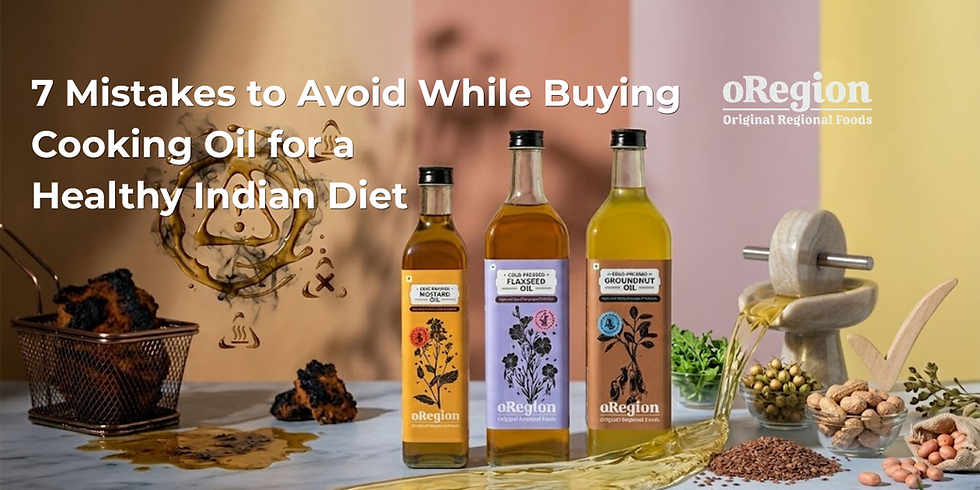
Introduction to Healthy Cooking Oil Choices in India
In India, cooking oil is not just an ingredient—it is a daily essential that directly affects our health, digestion, and long-term wellness. From deep-frying snacks to preparing everyday sabzi and dal, oil plays a central role in our diet. However, with so many options available today—refined oils, blended oils, Cold Pressed Oil, and wood pressed oil—choosing the right one can feel confusing. Many households still rely on marketing claims rather than understanding what truly defines a healthy oil.
Today, health-conscious consumers are shifting toward traditional and natural options like cold pressed oil, especially when they buy cooking oil for family use. This shift is not just a trend but a return to roots, where purity, nutrition, and authenticity matter more than just price. Brands like oRegion are helping revive these traditional practices by offering high-quality oils that align with modern health needs.
Why Choosing the Right Cooking Oil Matters for Your Health
The oil you consume daily impacts heart health, cholesterol levels, metabolism, and even inflammation in the body. Refined oils, which undergo heavy processing, often lose essential nutrients and may contain chemical residues. On the other hand, cold pressed oil benefits include better retention of antioxidants, vitamins, and healthy fats. Choosing the best oil for cooking can reduce the risk of lifestyle diseases and improve overall well-being.
The Rising Demand for Cold Pressed Oil in Indian Kitchens
With increasing awareness about nutrition, more people are searching for cold pressed oil online. Whether it’s cold pressed groundnut oil, Cold Pressed Mustard Oil, or cold pressed flaxseed oil, Indian households are actively replacing refined oils with healthier alternatives. This demand is driven by the need for clean-label products and transparency in food sourcing.
Understanding “Cold Pressed Oil Means” and Its Real Value
If you are wondering what is cold pressed oil, it simply means oil extracted without heat or chemicals. The process involves pressing seeds or nuts at low temperatures, preserving natural nutrients and flavor. Cold pressed oil means purity, authenticity, and higher nutritional value compared to refined oils.
How oRegion Brings Back Traditional Oil Purity
oRegion focuses on traditional extraction methods like wood pressed oil (chekku oil), ensuring minimal processing and maximum nutrition. Their oils are crafted to retain the natural aroma, taste, and health benefits that modern refining processes often destroy.
What is Cold Pressed Oil and Why Is It Better?
Cold pressed oil has become a preferred choice in modern Indian kitchens because it aligns with both traditional wisdom and current nutritional science. Unlike refined cooking oil, which undergoes multiple stages of industrial processing, cold pressed oil is extracted naturally using mechanical pressure at low temperatures. This process ensures that the oil retains its original nutrients, aroma, and flavor.
When we talk about a healthy Indian diet, the quality of fat matters just as much as the quantity. Cold pressed oil stands out because it contains natural antioxidants, essential fatty acids, and fat-soluble vitamins that support heart health, brain function, and immunity. This is one of the key reasons why health-conscious individuals are shifting toward cold pressed oil online rather than relying on mass-produced refined oils.
What is Cold Pressed Oil vs Refined Oil
To understand the real value of cold pressed oil, it is important to compare it with refined oil. Refined cooking oil is typically extracted using high heat and chemical solvents like hexane. After extraction, it goes through processes like bleaching and deodorizing to improve appearance and shelf life. However, this processing removes most of the beneficial nutrients and may leave behind chemical traces.
In contrast, cold pressed oil retains its natural composition. Oils like cold pressed groundnut oil, cold pressed mustard oil, and Cold Pressed Sesame Oil maintain their original fatty acid profile and micronutrients. This makes them a better option for people looking to buy cooking oil that supports long-term health instead of just convenience.
Cold Pressed Oil vs Wood Pressed Oil – Key Differences Explained
Many people often confuse cold pressed oil with wood pressed oil. While both are natural extraction methods, there is a subtle difference. Cold pressed oil uses modern mechanical presses that operate at low temperatures, while wood pressed oil (also known as chekku oil or ghani oil) uses a traditional wooden churner.
The wooden process generates even less heat due to slower rotation, which may help preserve slightly more nutrients. This is why wood pressed oil is often considered closer to ancient Indian practices. However, both options are significantly better than refined oils and can be safely used as part of a healthy cooking oil routine.
Nutritional Advantages of Cold Pressed Oil Benefits
Cold pressed oil benefits go beyond just basic nutrition. These oils are naturally rich in:
Antioxidants that fight free radicals
Omega 3 and omega 6 fatty acids that support heart health
Vitamin E, which promotes skin and hair health
Anti-inflammatory compounds that help reduce joint pain and improve metabolism
For example, flaxseed oil is one of the richest sources of plant-based omega 3 fatty acids. It acts as a vegan omega-3 supplement and is especially beneficial for people who do not consume fish. Similarly, mustard oil contains natural antibacterial properties, while groundnut oil provides healthy monounsaturated fats.
Why Cold Pressed Oils Are the Best Oil for Cooking
Indian cooking involves a variety of techniques—deep frying, sautéing, roasting, and tempering. Each method requires an oil that can handle different temperature ranges. Cold pressed oils offer versatility:
Cold pressed groundnut oil is ideal for high-heat cooking
Cold pressed mustard oil works well for medium heat and traditional dishes
Cold pressed sesame oil (til oil) is excellent for flavor and finishing
Cold Pressed Flaxseed Oil is best used raw for maximum nutritional benefits
This adaptability makes cold pressed oil the best oil for cooking in Indian households.
Mistake #1 – Choosing the Wrong Oil for Cooking Temperature
One of the biggest mistakes people make when they buy cooking oil is not considering the cooking temperature. Every oil has a smoke point—the temperature at which it starts to break down and release harmful compounds.
High Heat Cooking Oils vs Low Smoke Point Oils
High heat cooking methods like frying require oils that remain stable at high temperatures. Groundnut oil and ghee are excellent choices because they have high smoke points and do not oxidize easily.
On the other hand, oils like flaxseed oil have very low smoke points. Heating them destroys their nutrients, especially omega-3 fatty acids, and may even produce harmful substances.
Why Grass-Fed Ghee, Avocado Oil & Groundnut Oil Perform Better
These oils are structurally stable and contain fats that resist breakdown at high temperatures. Buying Groundnut Oil Online, especially in its cold pressed form, is widely used in Indian kitchens because it offers a balance of taste, affordability, and performance.
Where Cold Pressed Groundnut Oil Fits in Indian Cooking
Cold pressed groundnut oil is one of the best groundnut oils for cooking due to its versatility. It can be used for deep frying snacks like pakoras, preparing curries, and even for daily cooking. It has a neutral flavor, which allows the natural taste of food to shine.
Oils You Should Avoid at High Heat
Avoid using delicate oils like flaxseed oil or even extra virgin oils for frying. These are better suited for low heat or raw consumption to retain their nutritional value.
Mistake #2 – Ignoring Oil Processing Methods
The processing method determines whether your cooking oil is nourishing or harmful.
The Problem with Refined and Highly Processed Oils
Refined oils are stripped of their natural nutrients during processing. They may look clear and odorless, but they lack the essential components that make oil beneficial for health. Regular consumption of such oils may contribute to inflammation and lifestyle diseases.
Why Wood Pressed Oil and Cold Pressed Oil Are Superior
Both wood pressed oil and cold pressed oil retain their natural nutrients because they are extracted without chemicals. This makes them safer and more beneficial for long-term consumption.
Hidden Chemicals in Refined Oils Like Canola & Soybean
Refined oils often involve chemical solvents and high-temperature processing. Even though the final product may meet safety standards, the nutritional value is significantly reduced.
Choosing Authentic Chekku Oil for Daily Use
Chekku oil, or wood pressed oil, is a reliable option for those looking to return to traditional cooking methods. It offers better taste, aroma, and health benefits compared to refined alternatives.
Mistake #3 – Buying Oil in Clear Plastic Bottles
Packaging is a crucial but often ignored factor when selecting cooking oil.
How Light Exposure Damages Oil Quality
Exposure to light accelerates oxidation, which degrades the oil and reduces its nutritional value. Over time, this can make the oil rancid.
Importance of Dark Glass Packaging for Cold Pressed Oils
Dark glass bottles protect oil from UV rays and help maintain freshness. This is especially important for oils rich in omega fatty acids, such as flaxseed oil.
How oRegion Ensures Premium Packaging Standards
oRegion uses high-quality packaging designed to preserve oil quality, ensuring that customers receive fresh and nutrient-rich products.
Storage Tips to Maintain Oil Freshness
Always store oil in a cool, dark place away from direct sunlight and heat sources like stoves.
Mistake #4 – Not Checking Harvest Date and Freshness
Freshness plays a vital role in determining the quality of oil.
Why Expiry Date Is Not Enough
Expiry dates indicate how long the oil can last, but not how fresh it is. Always check the manufacturing or extraction date.
Importance of Freshly Extracted Oils for Maximum Benefits
Fresh oils retain more nutrients and have better flavour. Over time, oils lose their potency and may oxidise.
How Fresh Cold Pressed Oil Improves Nutrition
Fresh cold pressed oil ensures maximum nutrient absorption and enhances the overall quality of your diet.
Smart Buying Tips for Fresh Oil Online
When buying cold pressed oil online, choose brands that clearly mention extraction dates and sourcing details.
Conclusion – Making Smarter Cooking Oil Choices for a Healthier Life
Choosing the right cooking oil is one of the simplest yet most powerful changes you can make for your health. By understanding what cold pressed oil means and how it differs from refined and wood pressed oil, you can avoid common mistakes that many households unknowingly make.
From selecting the right oil for cooking temperature to checking processing methods, packaging, and freshness, every small decision contributes to better health outcomes. Oils like Cold Pressed Groundnut Oil, mustard oil, sesame oil, and flaxseed oil offer unique benefits when used correctly.
In today’s fast-paced lifestyle, it is easy to overlook such details. However, making informed choices when you buy cooking oil ensures that your daily meals not only taste good but also nourish your body. Brands like oRegion are helping bridge the gap between traditional purity and modern health needs, making it easier for families to adopt healthier habits.
Ultimately, a healthy kitchen begins with the right oil. By switching to cold pressed oils and avoiding these common mistakes, you take a significant step toward a balanced, nutritious, and healthier life.
Follow us for more wellness tips
👉 Buy Now on oregion.in
📸 Instagram: @oRegion.in
📘 Facebook: facebook.com/oRegionfoods
▶ YouTube: https://www.youtube.com/@oRegion_foods
👉 Shop Globally on Distacart & PushMyCart


Comments